Industry
Tourism voice over, in the visitor’s language
Visitors hear a destination before they arrive and while they are there. The voice should come from the market they come from, say the names of places the way locals do, and still sound at ease with the visitor.
Where it is heard
Where tourism and hospitality needs a voice.
Each one is scripted and recorded per market, in the language its listeners speak.
Audio guides
Walking tours, museum routes and heritage sites, in the language of the visitor and timed to the place.
Destination and hotel films
Promotional films by tourist boards, hotels and resorts, usually adapted to each source market.
Guest messages
Welcome messages, in-room information, transport announcements and safety instructions for guests.
Campaigns for visitor markets
Radio and online spots aimed at one country, where the accent of the voice tells the listener the message is for them.
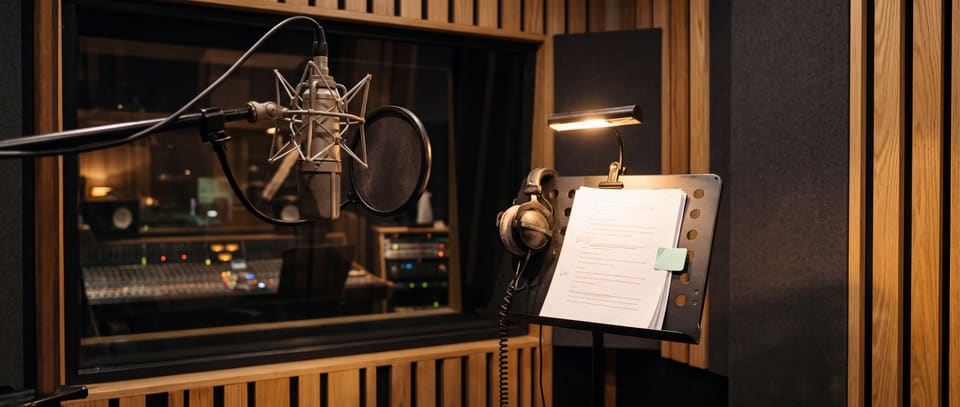
Tourism and hospitality
The choices a destination makes before recording: which visitor markets, how place names are said, and a tone that welcomes without overselling.
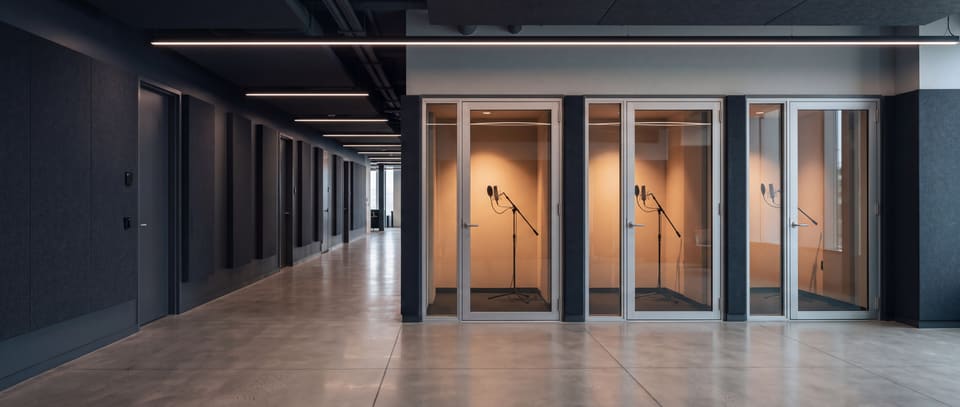
How it works
From brief to final audio.
- 01
Tell us about the project
Share the markets, the script or its estimated length, the usage and the deadline.
- 02
Choose the voice
We send a shortlist of native voices for each market, with samples in your tone and notes on accent and register. You choose, and we book.
- 03
Receive the final audio
Edited takes for every language and version, named by language, in the formats your editor or learning platform needs.
Before anyone records
What this sector needs.
The decisions that matter most in tourism and hospitality, before anyone records.
- 01
Which visitor markets
Choose the languages from where visitors actually come, not from the languages the destination happens to have translated. Each market also has its own expectations of tone.
- 02
Place names
Decide how streets, monuments, dishes and local words are said, in the local form or in the form familiar to the visitor, and apply the same rule across every recording.
- 03
Tone
Warm and unhurried suits most destinations. Decide how formal a hotel or a museum should sound in each market, since the same words feel different from one culture to the next.
- 04
Seasonal changes
Opening times, events and routes change. Keep them as separate lines so they can be updated without re-recording the whole guide.
- 05
Accessibility
Think early about visitors who cannot see or hear well. Audio guides and descriptions are part of the same recording plan, not an extra.
Questions
Tourism and hospitality: questions
Which accent should the voice have?
The accent of the visitor’s market, not of the destination. A British visitor, an American visitor and an Australian visitor each hear their own English; tell us who the guide is for.
How are place names pronounced?
We agree the pronunciation list before recording, with the local form and the form the visitor will recognise, and apply it to every file.
Can one project cover an audio guide in many languages?
Yes. Send the guide once with the list of languages, and each language is adapted and recorded by a native voice.
How long should each stop of an audio guide be?
As long as a visitor actually stays there: brief at a doorway, longer in the main hall. Walk the route with the script at a visitor's pace before recording, and cut where the text outlasts the view.
Can guest announcements be recorded with the destination film?
Yes, if the scripts are ready together. Group them by language and mark the lines that will be heard in noisy places such as lobbies or shuttles, because they need a clearer, slower read than the film.
Which languages should come first if visitors arrive from many countries?
Start with the markets that bring the most guests, and keep the structure of the guide identical in every language. A new language can then be added later without re-editing the others.
Find the voice for every market.
Tell us what you’re making and where it will be heard. No finished script? Share an outline.
The form asks
- Work emailWhere we send the quote
- Languages and marketspt-BR or pt-PT, es-ES or es-MX
- Your projectLength, where it will be used and your date. The script is optional.
We review your brief, clarify any missing details and confirm the scope, quote and delivery schedule.