Luganda · lg
Oli otya?Luganda voice over for Uganda
Luganda is the language of Buganda and the everyday language of Kampala, understood far beyond its home region. It is tonal, its spelling marks long vowels and consonants, and in the capital it is often spoken with English mixed in.
- Script
- Latin (with ŋ)
- Region
- Sub-Saharan Africa
- Availability
- We cast itnative voices, shortlist for your script
Central Uganda · Buganda
Kampala, Entebbe and Masaka
Luganda is the language of Buganda and the everyday language of Kampala.
Choose a region to see how far Luganda reachesMap data: Natural Earth, public domain
Uganda at a glance
- Speakers
- About 5.6 million people speak Luganda as a first language and about 11 million in total, almost all of them in Uganda. Uganda's official languages are English and Swahili.[1][2]
- Where it is used
- Central Uganda (Buganda), including Kampala, Entebbe and Masaka, and as a second language in markets, radio and trade across much of the south of the country. Radio is the main channel for audio campaigns.
The short answer
Luganda or English for a campaign in Uganda?
English reaches officials and many urban audiences; Luganda reaches central Uganda and much of Kampala on its own terms. Many campaigns record both, and use other Ugandan languages for the north and east.
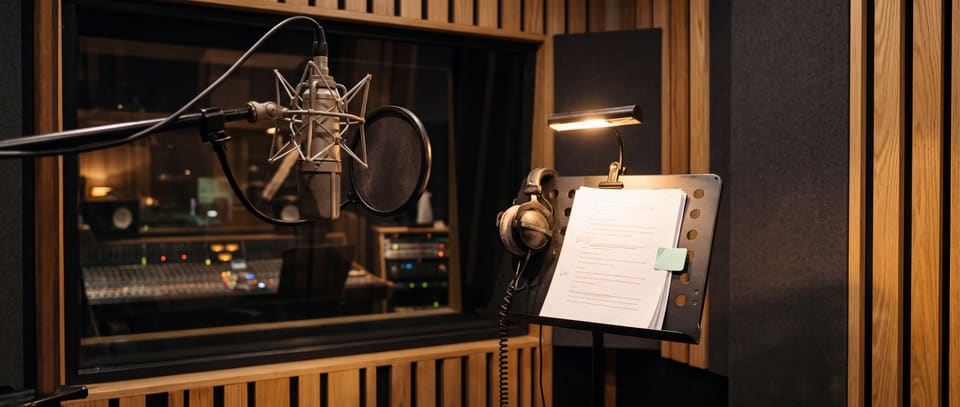
Recorded for Uganda
When a Ugandan campaign should speak Luganda, how Kampala speech differs from written Luganda, and how to prepare names in a tonal language before recording.
How it works
From brief to final audio.
- 01
Tell us about the project
Share the markets, the script or its estimated length, the usage and the deadline.
- 02
Choose the voice
We send a shortlist of native Ugandan voices with samples in your tone and notes on accent and register. You choose, and we book.
- 03
Receive the final audio
Edited takes for every language and version, named by language, in the formats your editor or learning platform needs.
Which Luganda to cast
Which Luganda to cast.
There is one Luganda, but two registers matter for voice-over. Written, careful Luganda suits public information, health and education. The Luganda of Kampala advertising is quicker and moves into English for brand names, numbers and modern terms. Choosing between them is the main casting decision.
What the ear picks up
- 01
Accent
Pitch carries meaning in Luganda: the same spelling can mean different words depending on tone, and tone is not written. A native voice reads it naturally; foreign names need a pronunciation note.
- 02
Register
Greetings carry weight, and scripts that open without one can sound abrupt. Respectful address matters more than in most English copy.
Before anyone records
Decide before the booth.
What to settle for Uganda before anyone records. It saves a second session.
- 01
Length
Luganda words are long and vowels and consonants can be doubled, so translated copy often runs longer than the English. Time the Luganda script, and leave room for a greeting.
- 02
Formal or informal address
Decide whether the script speaks to one person or to everyone, and how respectful the tone should be for the audience's age. A health ministry spot and a mobile-money ad do not sound alike.
- 03
Names and brands
Mark the stressed syllable and any long vowels for brand names, people and places that are not Luganda, since tone is not written. Agree whether English names stay in English.
- 04
Numbers, prices and dates
Prices are in Uganda shillings, which have no subunit. Say whether prices, dates and phone numbers are read in Luganda or in English: both are heard in Ugandan media.
- 05
Script on screen
Latin script with the letter ŋ (written ng' when ŋ is not available). Double letters mark length: keep them in the script and on screen.
Example
A line written for Uganda.
A greeting and thanks, the opening most Luganda spots use. A full example script comes from a native speaker.
Oli otya? Webale nnyo.
How are you? Thank you very much.
Briefs
Who records in Luganda for Uganda.
The briefs this market usually brings, and what each one needs from the voice.
NGOs and health programmes
Radio spots and community audio on health, farming and rights.
Telecoms, mobile money and banks
Advertising aimed at Kampala and central Uganda.
Public bodies
Information campaigns, often recorded in English and Luganda together.
Education and e-learning teams
Courses and explainers for learners who prefer their first language.
Questions
Luganda: questions
Luganda or English for a campaign in Uganda?
English reaches officials and many urban audiences; Luganda reaches central Uganda and much of Kampala on its own terms. Many campaigns record both, and use other Ugandan languages for the north and east.
Is Luganda understood outside Buganda?
Widely, as a second language, especially in towns and markets in the south. It is not a substitute for Acholi, Lugbara or Ateso in the north and east.
Can the script mix Luganda and English?
For Kampala advertising it often should, because that is how the audience speaks. For public information, keep to careful Luganda and explain English terms.
Who should write the Luganda script?
A native speaker who writes for the same kind of content, radio advertising or health messaging, for example. Ask a second Luganda speaker to read it aloud before the session: text that looks right on paper can still be hard to say.
Should the voice come from Kampala?
For Kampala advertising, yes, because listeners expect the quicker city delivery. For rural health or farming campaigns, a voice with careful, unhurried Luganda usually suits better. Decide by audience, not by where the studio is.
How can we check the recording if nobody on our team speaks Luganda?
Ask for a back translation of the final script, and have a native listener compare the audio with it before approval. Names, phone numbers and amounts are where errors slip through most often.
Find the voice for every market.
Tell us what you’re making and where it will be heard. No finished script? Share an outline.
The form asks
- Work emailWhere we send the quote
- Languages and marketspt-BR or pt-PT, es-ES or es-MX
- Your projectLength, where it will be used and your date. The script is optional.
We review your brief, clarify any missing details and confirm the scope, quote and delivery schedule.